mechanical
PURE LiFe: a portable solar generator (college capstone)
Back in college, a team of four of us — me, Michael Moser, Frank Pocino, and Jesse Saylor — built PURE LiFe (Portable User-friendly Renewable Energy Lithium-iron phosphate), a solar-powered generator, for the WERC International Environmental Design Contest at New Mexico State University. The contest’s “Internet of Science and Engineering” division asked for a self-contained device that could be deployed anywhere, run on renewable/harvested energy, and report data over the internet.
The idea
Swap a gas generator for a solar one: charge a battery bank off a foldable solar panel, invert it to standard household AC, and monitor the whole system remotely instead of just eyeballing a gas gauge.
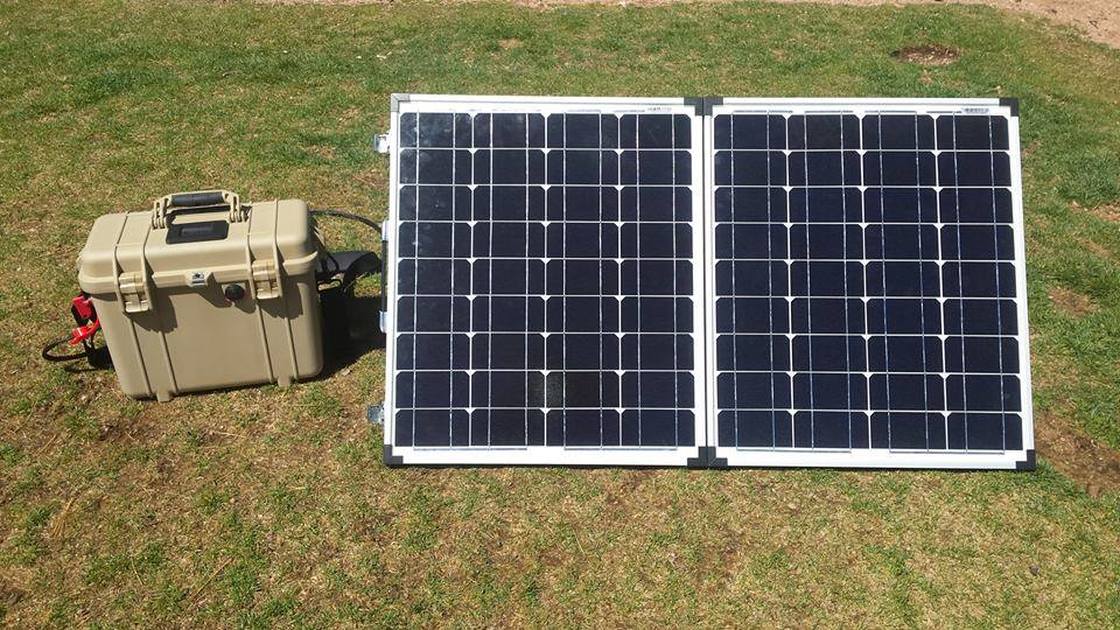
What we built
Everything lived in a rugged, one-person-portable Pelican case:
- 12V / 50Ah LiFePO4 battery bank
- 80-watt foldable solar panel through a 30A MPPT charge controller
- 300W inverter (110VAC + USB outputs)
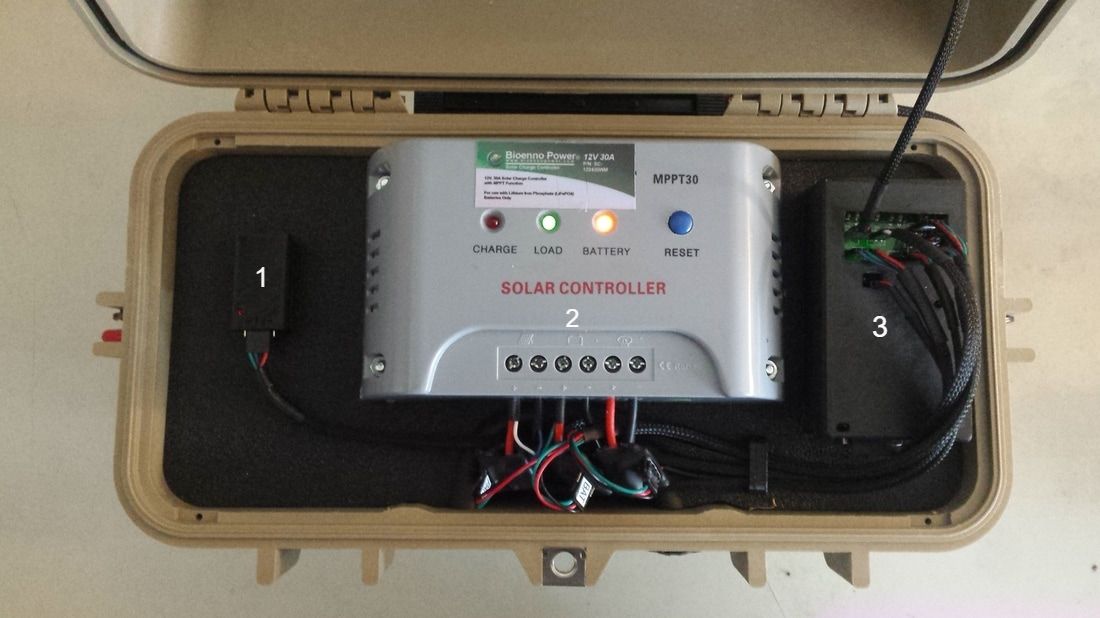
- Arduino Mega with three current sensors tracking generation, consumption, and battery state
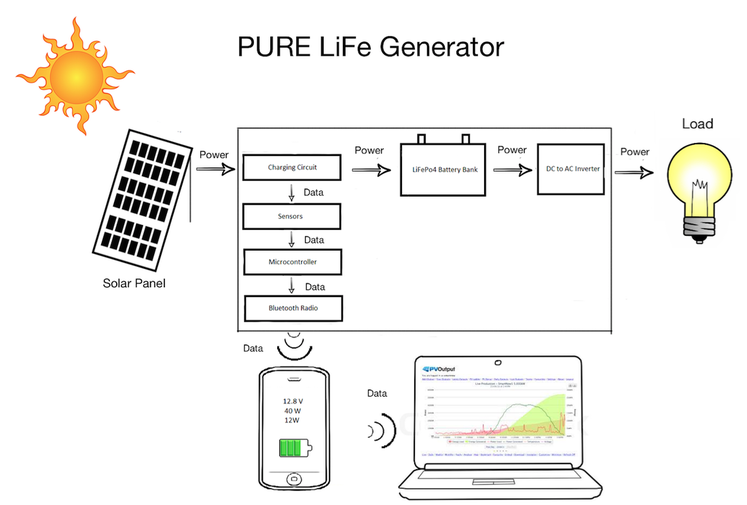
- HC06 Bluetooth module feeding a companion Android app
- A 2.4“ onboard touchscreen for at-a-glance status
- Custom expansion shield and a 3D-printed housing for the electronics
- A keyed safety switch and other redundant safety features
Live and historical power data flowed from the Arduino to the Android app over Bluetooth, and from there up to PVOutput.org for logging and analysis — so you could check charge state and generation history without opening the case.
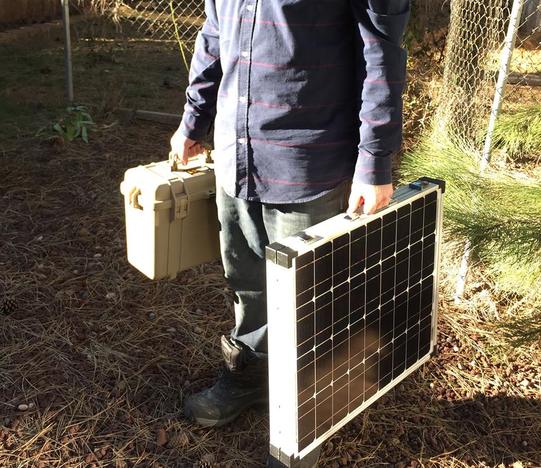
The whole thing was light enough to carry in one trip:
Why it mattered
Zero emissions, no fuel, no maintenance, and enough capacity off the 50Ah battery for multi-day autonomy depending on load. Good for camping and RV power, field research sites without grid power, emergency backup, or just scoping out whether a bigger solar install would be worth it somewhere.
Sponsored by Bioenno Power and Custom Circuit Boards. Full writeup and more photos on the original project site.